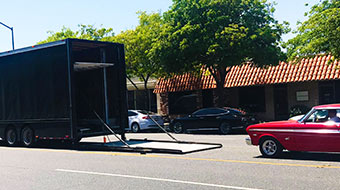
Enclosed Auto Transport: A Guide to Protecting Your Vehicle
When a vehicle needs to travel a long distance, choosing the right transport method can make a big difference. Enclosed auto transport moves a vehicle inside a covered trailer, shielding it from weather and many road hazards during transit. It is a popular option for classic, luxury, exotic, collector, and other high-value vehicles—but it may also suit any owner who wants added protection.
What Is Enclosed Auto Transport?
With enclosed auto transport, a carrier loads vehicles into a trailer with solid sides and a roof. Depending on the carrier, the trailer may hold a few cars or several. Because the cargo area is covered, vehicles are less exposed to rain, snow, road salt, dust, and flying debris than they would be on an open carrier.
Enclosed transport is different from open auto transport, where vehicles ride on an uncovered trailer. Open transport is widely used and can be a practical choice for many everyday cars. Enclosed service offers an extra layer of protection, though it generally costs more and may have fewer available carriers.
Who Should Consider Enclosed Transport?
Enclosed shipping can be especially useful for:
- Classic or collectible vehicles that are difficult or costly to repair
- Luxury and exotic cars with high-value finishes or low ground clearance
- Race cars, show cars, and restored vehicles
- Vehicles being transported to an auction, exhibition, or special event
- Owners who want to reduce exposure to weather and road debris
It is not limited to specialty vehicles. Some owners choose an enclosed carrier for an ordinary car because of the vehicle’s condition, the route, the season, or their personal preference.
Benefits of Enclosed Auto Transport
Protection from the Elements
A covered trailer helps protect a vehicle from rain, snow, strong sunlight, and other weather conditions. This can be particularly valuable when shipping a vehicle with delicate paint, custom finishes, or a soft top.
Less Exposure to Road Debris
The trailer’s sides and roof provide a barrier against much of the dust, gravel, and debris encountered on the road. No transport method can eliminate every risk, but an enclosed trailer can reduce exposure compared with an uncovered carrier.
Greater Privacy
Because the vehicle is not visible to passing traffic, enclosed transport can offer more privacy. This may matter to owners shipping rare, high-profile, or valuable cars.
Potential Drawbacks to Consider
The main trade-off is cost. Enclosed transport usually costs more than open transport because covered carriers have limited capacity and may require additional equipment or handling. Scheduling can also be less flexible, especially for remote locations or specific pickup and delivery dates.
Availability, route, distance, vehicle size, season, and pickup conditions can all affect the service. Ask the transport provider what is included and whether the quoted price is guaranteed or may change based on carrier availability or other factors.
How to Prepare Your Vehicle
A little preparation can help make pickup and delivery smoother:
- Wash the vehicle so its condition is easier to document.
- Take clear photos of the exterior and interior before pickup.
- Remove personal belongings and loose accessories, unless the carrier has approved them.
- Leave the fuel tank at the level requested by the carrier, commonly around a quarter tank.
- Check that the battery is charged and the tires are properly inflated.
- Tell the carrier about leaks, mechanical problems, alarms, modifications, or low ground clearance.
- Remove toll tags and secure or remove removable exterior items.
Requirements vary by carrier, so confirm preparation instructions before the transport date.
What to Check When Choosing a Provider
Before booking, review the details of the service rather than comparing price alone. Ask whether the company is a carrier or a broker, who will handle the vehicle, and how pickup and delivery timing is estimated. Request written information about insurance coverage, deductibles, exclusions, and the process for reporting damage.
At pickup, inspect the vehicle with the driver and make sure existing marks are recorded on the condition report, sometimes called a bill of lading. Review the same document at delivery before signing. If you notice new damage, document it with photos and follow the carrier’s reporting instructions promptly.
How Much Does Enclosed Auto Transport Cost?
There is no single price for enclosed shipping. Quotes may depend on the distance, route, vehicle dimensions and weight, time of year, pickup and delivery locations, carrier availability, and the requested schedule. Larger vehicles may require more trailer space, while remote addresses may involve extra coordination.
For an accurate comparison, request written quotes using the same route, dates, vehicle details, and service requirements. A very low quote may not include the same level of service or may be subject to change, so clarify the terms before booking.
Is Enclosed Auto Transport Worth It?
Enclosed auto transport can be a worthwhile choice when added protection and privacy matter more than minimizing cost. It is often a strong fit for rare, valuable, customized, or carefully restored vehicles. For a standard daily driver, open transport may be sufficient, depending on the owner’s preferences and the shipping conditions.
Consider the vehicle’s value, condition, route, season, and your comfort level with exposure to the elements. Then compare reputable providers, confirm the insurance and inspection procedures, and choose the service that best fits your needs.
8 Key Benefits of Enclosed Auto Transport
- Protects vehicles from rain, snow, and sun.
- Reduces exposure to road debris and dust.
- Ideal for classic and collector cars.
- Adds peace of mind for high-value vehicles.
- Offers more privacy during transit.
- Helps preserve delicate paint and finishes.
- Suitable for luxury and exotic cars.
- Provides added protection on long-distance trips.
7 Drawbacks of Enclosed Auto Transport
- Costs more than open transport.
- Fewer carriers may be available.
- Scheduling can be less flexible.
- Delivery may take longer to arrange.
- Some routes may not be served.
- Large vehicles may cost extra.
- Added protection does not eliminate all damage risks.
Protects vehicles from rain, snow, and sun.
Enclosed auto transport helps protect vehicles from rain, snow, and direct sunlight by keeping them inside a covered trailer throughout the journey. This added shelter can reduce exposure to moisture, road salt, and prolonged UV rays, helping preserve the vehicle’s paint and finish—especially during long-distance trips or unpredictable weather.
Reduces exposure to road debris and dust.
Enclosed auto transport helps reduce a vehicle’s exposure to dust, gravel, and other road debris by carrying it inside a covered trailer. This added barrier can help protect the paint and exterior during the trip, especially on long routes or roads where loose debris is common. While no transport method can prevent every possible scratch or mark, an enclosed carrier offers an extra layer of protection compared with an open trailer.
Ideal for classic and collector cars.
Enclosed auto transport is ideal for classic and collector cars because it helps shield valuable vehicles from rain, snow, road salt, dust, and flying debris during transit. The added protection can help preserve delicate paint, custom finishes, and original details, while the covered trailer also keeps the car out of view. For vehicles that are rare, carefully restored, or difficult to repair, enclosed shipping offers extra peace of mind on the way to a show, auction, or new home.
Adds peace of mind for high-value vehicles.
Enclosed auto transport adds peace of mind when shipping a high-value vehicle by keeping it inside a covered trailer and reducing its exposure to weather, road debris, and public view. While no transport option can eliminate every risk, the added protection can help owners feel more confident that their luxury, classic, or exotic car is being handled with care throughout the journey.
Offers more privacy during transit.
Enclosed auto transport offers greater privacy by keeping your vehicle out of view while it’s on the road. This can be reassuring when shipping a rare, luxury, or high-value car, or when you simply prefer not to draw attention to your vehicle. Although privacy can vary by carrier and trailer design, a covered transport helps limit visibility during transit.
Helps preserve delicate paint and finishes.
Enclosed auto transport helps preserve delicate paint and finishes by shielding a vehicle from rain, road salt, dust, and flying debris during transit. This added protection can be especially valuable for classic, luxury, custom-painted, or freshly restored cars, helping them arrive in the same carefully maintained condition in which they were picked up.
Suitable for luxury and exotic cars.
Enclosed auto transport is a smart choice for luxury and exotic cars, which often have high-value finishes, specialized parts, or low ground clearance. A covered trailer helps shield the vehicle from weather, road debris, and public view during transit. This added protection can provide greater peace of mind when shipping a prized car, though it’s still important to review the carrier’s insurance coverage and inspection procedures before booking.
Provides added protection on long-distance trips.
Enclosed auto transport provides added protection on long-distance trips by keeping your vehicle inside a covered trailer throughout the journey. The enclosure helps shield it from rain, snow, road salt, dust, and flying debris, which can be especially reassuring when shipping a valuable, classic, or freshly restored car. While no transport option can eliminate every risk, an enclosed carrier offers an extra layer of protection from changing weather and road conditions along the way.
Costs more than open transport.
One of the main drawbacks of enclosed auto transport is its higher cost compared with open transport. Covered carriers have less space for vehicles and may be less available, which can increase shipping rates. For an everyday car, the added expense may not be worthwhile, so compare quotes and weigh the extra protection against your budget before booking.
Fewer carriers may be available.
One drawback of enclosed auto transport is that fewer carriers offer it than open transport. Since enclosed trailers carry fewer vehicles and may serve a narrower range of routes, finding an available carrier can take longer—especially during busy seasons or for pickup and delivery in remote areas. Booking early and staying flexible with your dates can improve your chances of securing a carrier.
Scheduling can be less flexible.
Scheduling can be less flexible with enclosed auto transport because covered carriers are less common and have limited space compared with open carriers. This can mean fewer pickup dates, longer wait times, or less precise delivery windows, especially on less-traveled routes or during busy seasons. Booking early and staying flexible with your dates can help make scheduling easier.
Delivery may take longer to arrange.
One drawback of enclosed auto transport is that delivery may take longer to arrange. Enclosed carriers have fewer vehicle spaces and may serve specific routes less often than open carriers, so finding a suitable truck can take extra time. If your schedule is flexible, this may be a minor inconvenience, but anyone working with a firm delivery date should book early and confirm the estimated pickup and delivery windows with the transport provider.
Some routes may not be served.
One drawback of enclosed auto transport is that some routes may not be served regularly. Enclosed carriers are less common than open carriers and often operate along specific routes, so pickup or delivery in a remote area may require a longer wait, a higher price, or travel to a nearby meeting point. Before booking, confirm that a carrier serves both locations and ask how route availability could affect the schedule and cost.
Large vehicles may cost extra.
Large vehicles may cost extra to ship using enclosed auto transport because they take up more space and may exceed a carrier’s standard size or weight limits. Trucks, SUVs, vans, and vehicles with modifications can require special equipment or reduce the number of cars a trailer can carry, which may increase the total price. Ask the transport provider how your vehicle’s dimensions and weight affect the quote before booking.
Added protection does not eliminate all damage risks.
Enclosed auto transport adds a barrier against weather and road debris, but it cannot eliminate every risk of damage. A vehicle may still be affected during loading, unloading, or transit, and mechanical issues or unexpected incidents can occur. Before shipping, document the car’s condition with clear photos, review the carrier’s inspection report, and confirm what its insurance covers and how to report a claim.